






Arita kilns
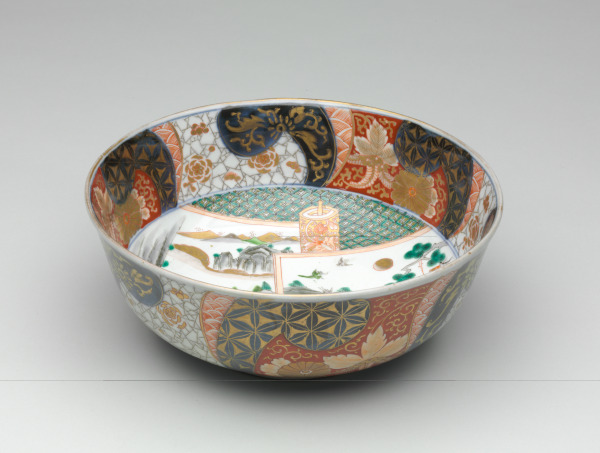
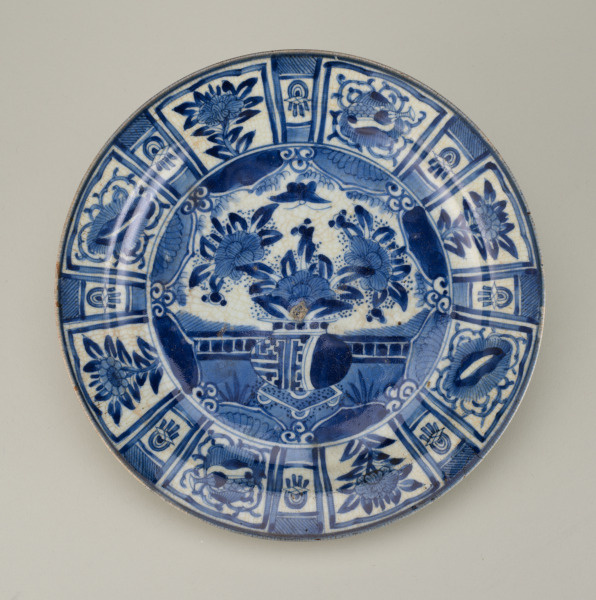
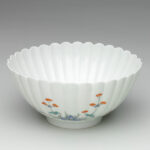
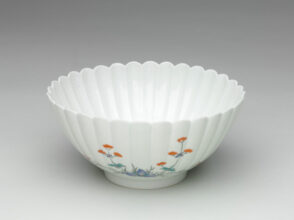
Kakiemon-Style Chrysanthemum Bowl with Floral Design
1700-1732
Physical Qualities
Porcelain with overglaze polychrome enamel decoration, 3 1/2 × 7 1/4 in. (8.9 × 18.4 cm.)
Credit Line
Julius Levy Memorial Fund
Object Number
1959.72
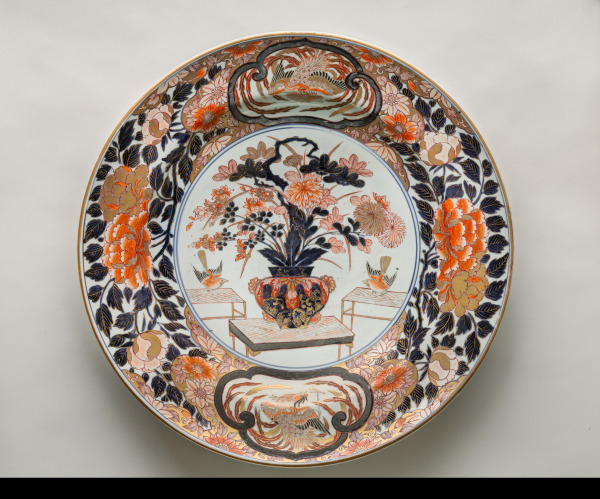
In Japan, Sakaida Kizaemon (1596-1666) perfected the technique of decorating high-fired porcelain with colorful enamels based on the Chinese example. Sakaida was awarded the name Kakiemon in recognition of his skill in achieving the orange-red color of the kaki (persimmon). Kakiemon's milky white porcelain was also unique. Before falling out of fashion around 1760, Kakiemon porcelain was largely exported to Europe, where it influenced pottery-making at kilns in Meissen in Germany, Chantilly in France, and Chelsea in England.
The Baltimore Museum of Art by purchase, 1959; Howard C. Hollis, Cleveland
Richard S. Cleveland, "200 Years of Japanese Porcelain," City Art Museum of St. Louis, 10/9-11/15/1970, no. 97, p. 176; circulated to Nelson Gallery-Atkins Museum, Kansas City, 12/3/1970-1/3/1971.
Frances Klapthor, The Baltimore Museum of Art, "90 Years of Asian Accessions: 1940-1960," (Goodnow, Riggs of J, Cone, Chinese & Japanese Dolls), January-November 2005.
Frances Klapthor, The Baltimore Museum of Art, "The Poetic Imagery of Japanese Art," February 22-August 8, 2010. (Levy Rotation)
Collection installation, "Asia. Artistic Innovation & Exchange", Levy Gallery, Baltimore Museum of Art, October 5, 2023-
Frances Klapthor, The Baltimore Museum of Art, "90 Years of Asian Accessions: 1940-1960," (Goodnow, Riggs of J, Cone, Chinese & Japanese Dolls), January-November 2005.
Frances Klapthor, The Baltimore Museum of Art, "The Poetic Imagery of Japanese Art," February 22-August 8, 2010. (Levy Rotation)
Collection installation, "Asia. Artistic Innovation & Exchange", Levy Gallery, Baltimore Museum of Art, October 5, 2023-


 On View at the BMA