



Fan (Pien-Mien)

Zhang Jinjian

Fan (Pien-Mien)

1893-1894

Scroll

Zhang Jinjian

Fan (Pien-Mien)

1893-1894
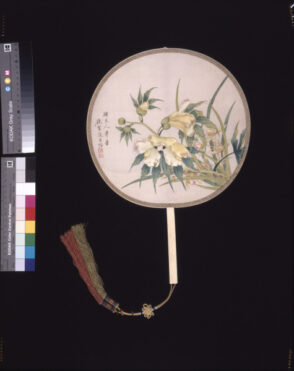
Physical Qualities Ink and color on silk, ivory handle with silk cord and tassel, 28-1/2 x 11-1/4 in. (72.4 x 28.6 cm.) with tassel
Credit Line Gift of Elizabeth F. Cheney, Oak Park, Illinois
Object Number 1980.201
Although painted in the 1890s, this fan imitates a style which originated in the south of China during the Song dynasty and developed to its highest level in the Yuan dynasty. A poem on the reverse pays tribute to Chinese philosopher-scholars who by practicing the five classical virtues (benevolence, uprightness, property, knowledge, and good faith) raise themselves far above the level of ordinary men and also bring benefit to lesser people of humble attainments. These individuals are compared to the "noble orchids" (as shown on the face of the fan), which spread their beautiful fragrance over the less pleasant smelling artmesia plant. Translations provided by Dr. Ka-Che Yip, Professor, University of Maryland at College Park; Mr. Daison Gu Graduate student, Johns Hopkins University; and Dr. Chi Wang Head, Chinese and Korean Section, Library of Congress, Washington, D.C. and his staff.
The Baltimore Museum of Art by gift, 1980; Elizabeth F. Cheney, Oak Park, Illinois
Jones, Anita. Baltimore Museum of Art, "Fans," April 3-July 22, 1990.

Inscribed: Gist Translation of Inscriptions on Back of Fan: "(The attributes of wise men are) first they are willing to change their academic residence and become martyrs, to follow in the footsteps of Confucius and Mo-tzu. They can exhibit their virtue of filial piety, as in the story of (Meng Tsung crying to get) winter bamboo shoots (to make soup for his mother to get well again); and their reputation becomes equal to (the two Confucian scholars) Tseng (Ts'an) and Min (Tzu-ch'ien) (known for their filial piety). Their stories are handed down for posterity to the present age, so that their descendants have flourished. They were rich in the qualities of heavenly nobility and bright enlightenment, which were uniquely shown in extraordinary talents. Thus they surpassed the flourishment of Chung Kung (Tseng Tai, Sung Dynasty scholar) ad good fortune of the family of Yang Yuan (Wei Hsu of the Chin Dynasty). They were as Buddhist-Taoist priests who have been endowed with the harmonious union of heaven and earth (yin and yang). They practice the virtuous blessing from Heaven exemplified n the five virtues (benevolence, uprightness of mind, propriety, knowledge, and good faith); and they are like orchids (epidendrums) spreading their fragrance and covering up the odoriferous artemesia plants (representing men of humble attainments) in the bright moon-light of flowery spring time, spreading out the misty floating clouds in the clear stillness of the night. They are as priceless treasure of a full foot of valuable hade coming out of Yen ch'eng (capital city of Ch'u Kingdome during the Warring States period). - Summer of the year Chia-wu during the reign of Luang-hsu (1894) Inscribed by Ch'i-t'ang; En-lin (Style names of Miao Ping-t'ai)" Translation by Dr. Ka-Che Yip Professor, University of Maryland at College Park; Mr. Daison Gu Graduate student, Johns Hopkins University; and Dr. Chi Wang Head, Chinese and Korean Section, Library of Congress.

Explore the Collection Further

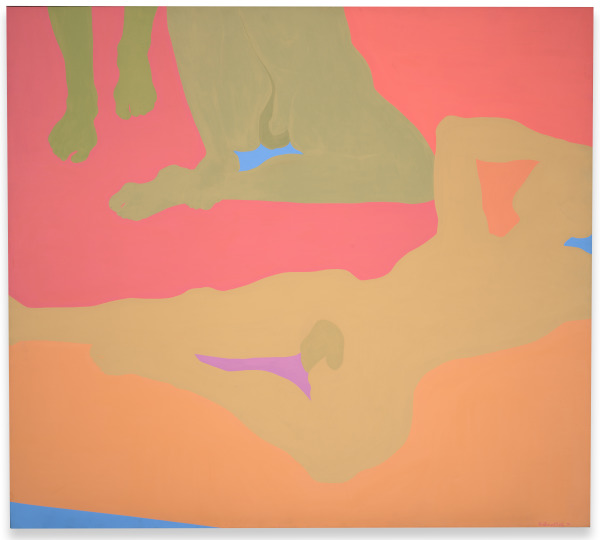
Kay WalkingStick
Fantasy for a January Day
1970
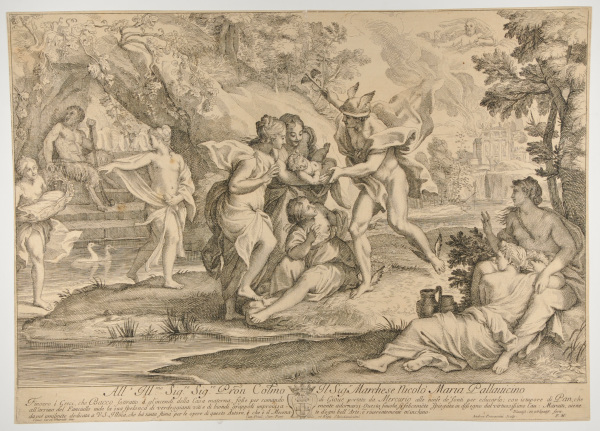
Andrea Procaccini and Carlo Maratti
Mercury Confiding the Infant Bacchus to the Care of the Nymphs
1698–1708
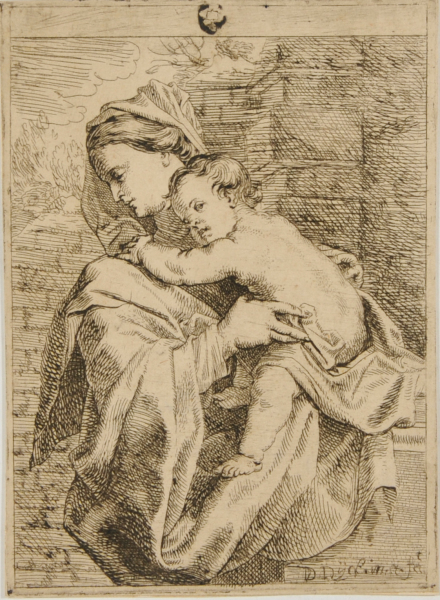
Daniel van den Dyck
The Virgin Mary and Infant Christ
1624–1634
Jean Baptiste Isabey and Godefroy Engelmann
La dame voilée et les petits enfants
1817
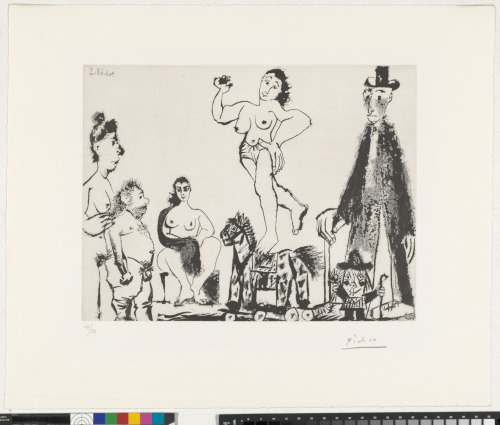
Pablo Picasso, Galerie Louise Leiris, and others
Souvenirs d'enfance: Fête de rue, avec "Bonhomme" et "El Gigante"
1967–1968
Adriaan Lommelin, Sir Anthony van Dyck, and others
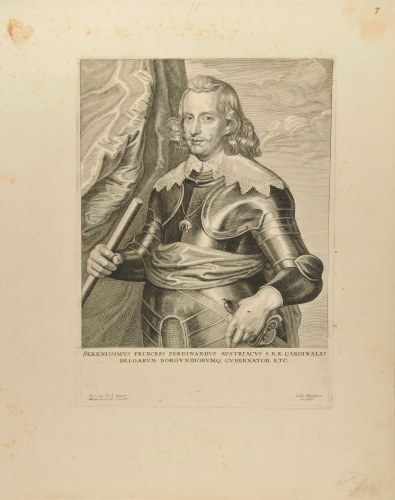
Archduke and Cardinal-Infante Ferdinand
1624–1649
Henri Matisse, Stéphane Mallarmé, and others
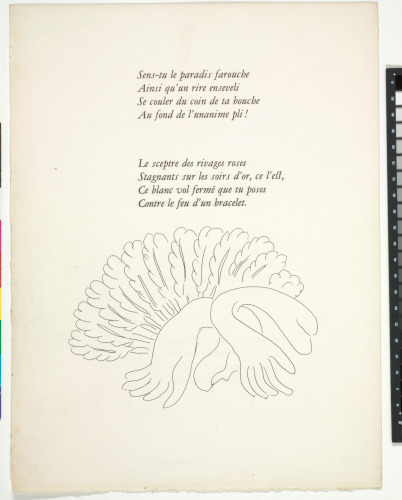
Untitled (fan and gloves, published state on page proof)
1929–1930
Henri Matisse and Roger Lacourière
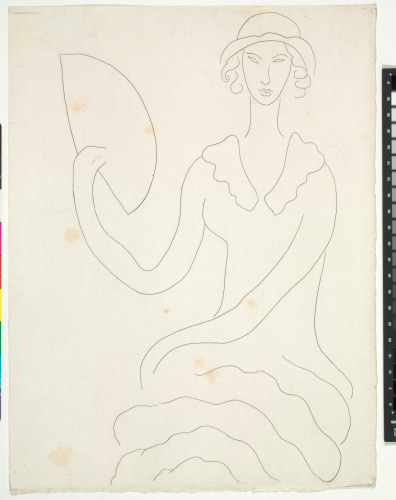
Fan of Madame Mallarmé (published state)
1929–1930
Henri Matisse and Roger Lacourière
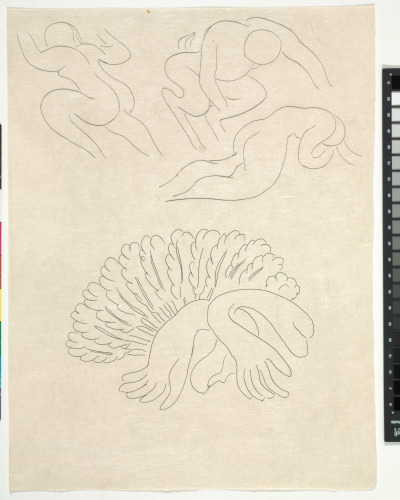
Untitled (fan and gloves, published state, cancelled with remarques)
1929–1930
Henri Matisse and Roger Lacourière
Fan of Madame Mallarmé (published state, cancelled with remarques)
1929–1930
Maru Obi with Fans, Water Wheels, and Uchide no Kozuchi (Mallet of Good Fortune)
1911–1939
Félix Vallotton
Print Fanciers
1891