








Caroline Hammond Williams
Log Cabin–Barn Raising Variation
1869-1889
Physical Qualities
Silk; silk, cotton, and wool lining, silk embroidery threads, silk and wool trim, 79 x 44 1/4 in. (200.7 x 112.4 cm.)
Credit Line
Gift of Mrs. J. Harlan Williams, Jr.
Object Number
1976.104.2
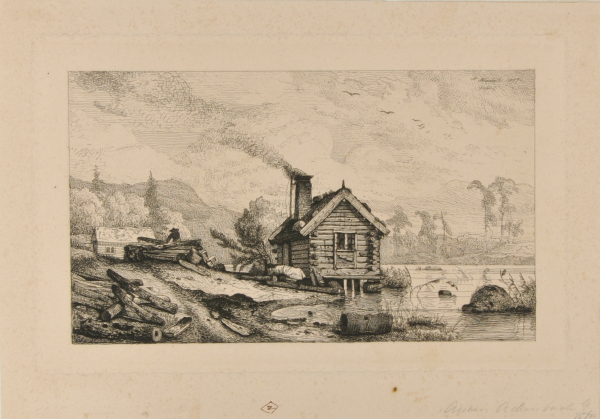
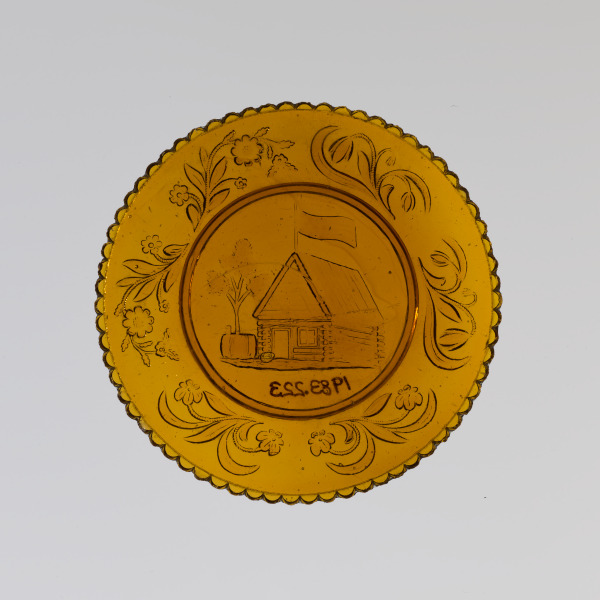
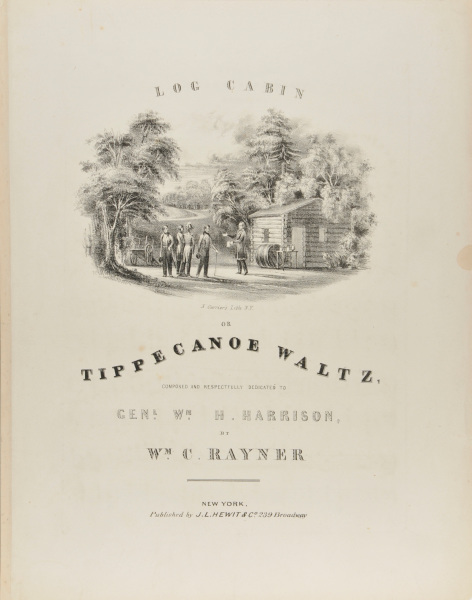
The 1860 presidential campaign of Abraham Lincoln may have provided the inspiration for the Log Cabin quilt pattern which gained popularity in the decades following that election. Composed of narrow strips of fabric pieced around a square center, the pattern seems to mimic the construction of the humble log structure which had become a political symbol. A pair of quilts created by Caroline Williams of Baltimore shows two variations of the Log Cabin pattern interpreted in silk--"Barn Raising" in which simple log cabin blocks are arranged so as to create concentric squares of light and dark fabrics, and the more complex "Maltese Cross" also known as "Pineapple."
Though often constructed on a foundation of muslin to provide durability, fancywork quilts such as these silk Log Cabins and the crazy quilts which followed were valued more for ornamentation than serviceability. Sometimes called "slumber throws," they might have been used as a cover during a short nap, draped over a white bedspread at the foot of the bed, or thrown over a piece of furniture.
Caroline Williams was the daughter of George Harlan Williams, Chairman of the Board of the Fireman's Life Insurance Company and a member of the Board of Directors (1890-93) and Treasurer (1893-1909) of the Maryland Institute College of Art. Although she never married, she lived with her brother J. Harlan Williams, a widower, and helped raise his young son.
Baltimore Museum of Art by gift, 1976; Mrs. J. Harlan Williams, Jr. by descent; Caroline Hammond Williams (1854/55-1935).
Anita Jones, BMA, 'Sweet Dreams: Quilts and Coverlets from the Collection,' October 26 - December 31, 1994.
Inscribed: None.