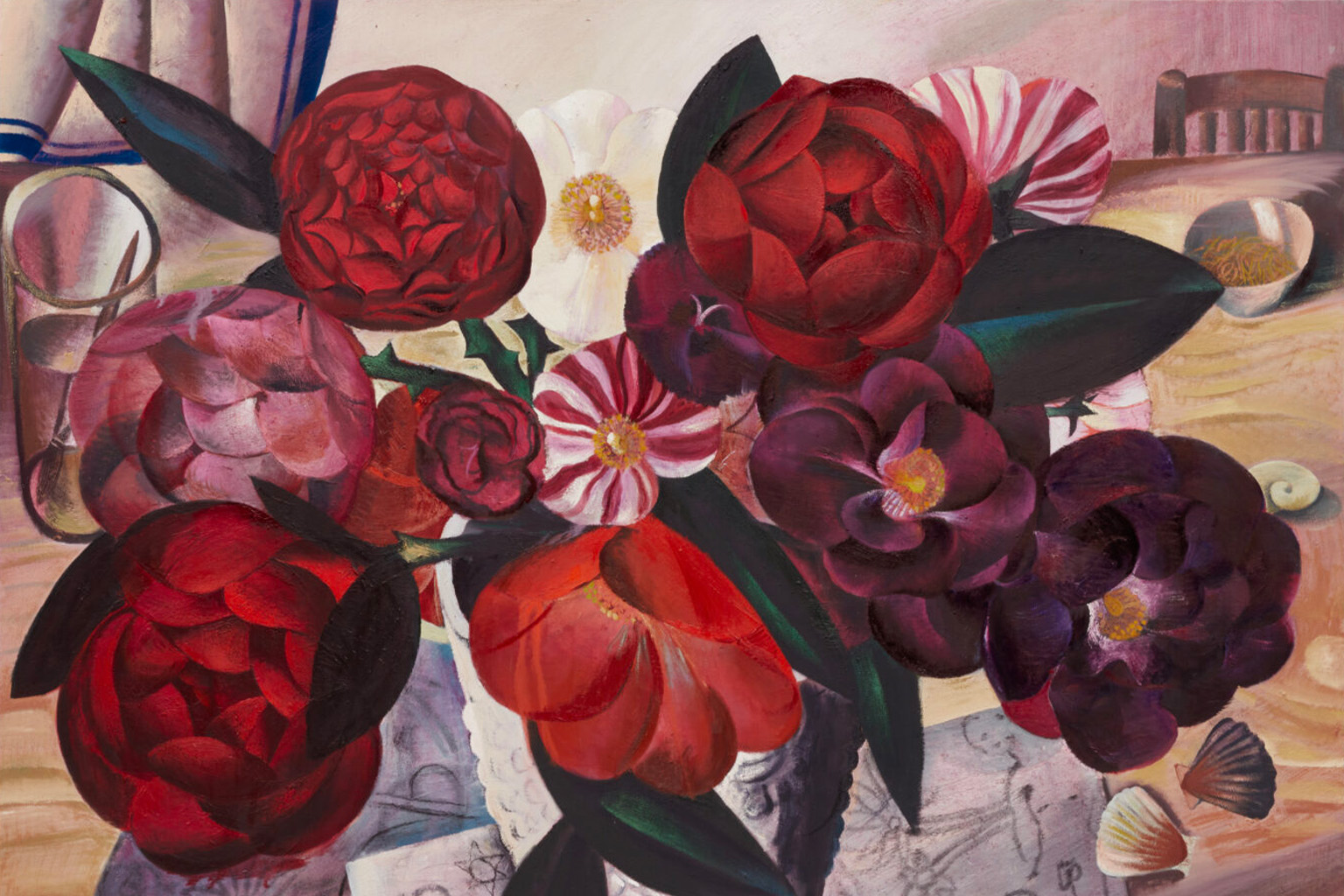





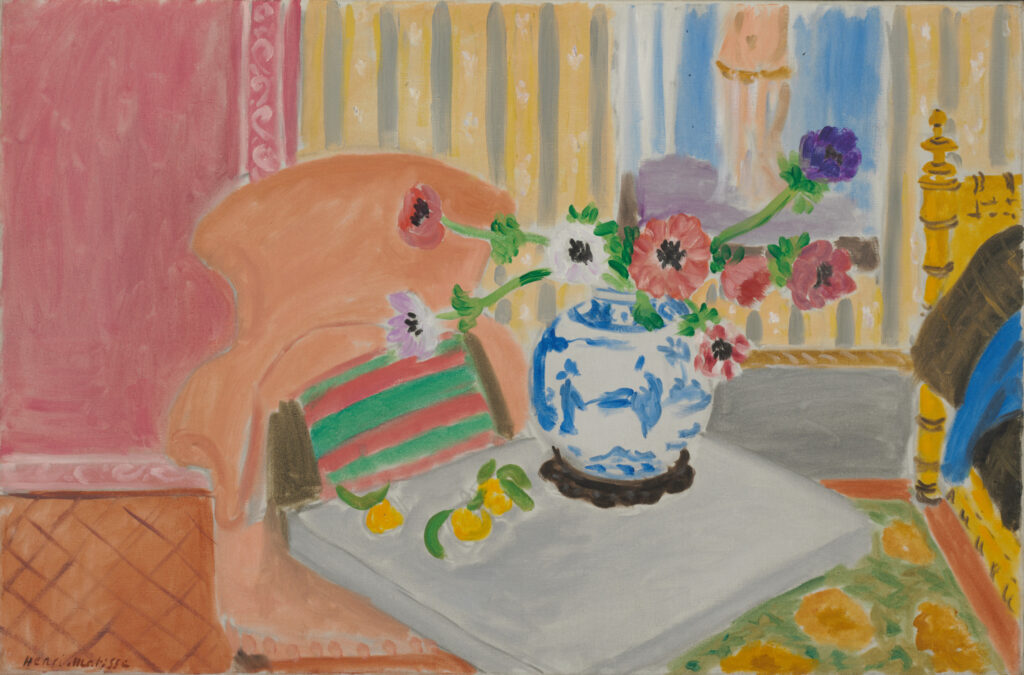
Anemones and Chinese Vase
Henri Matisse
1921
On View: Cone Wing, Gallery 4


Henri Matisse
1921
On View: Cone Wing, Gallery 4
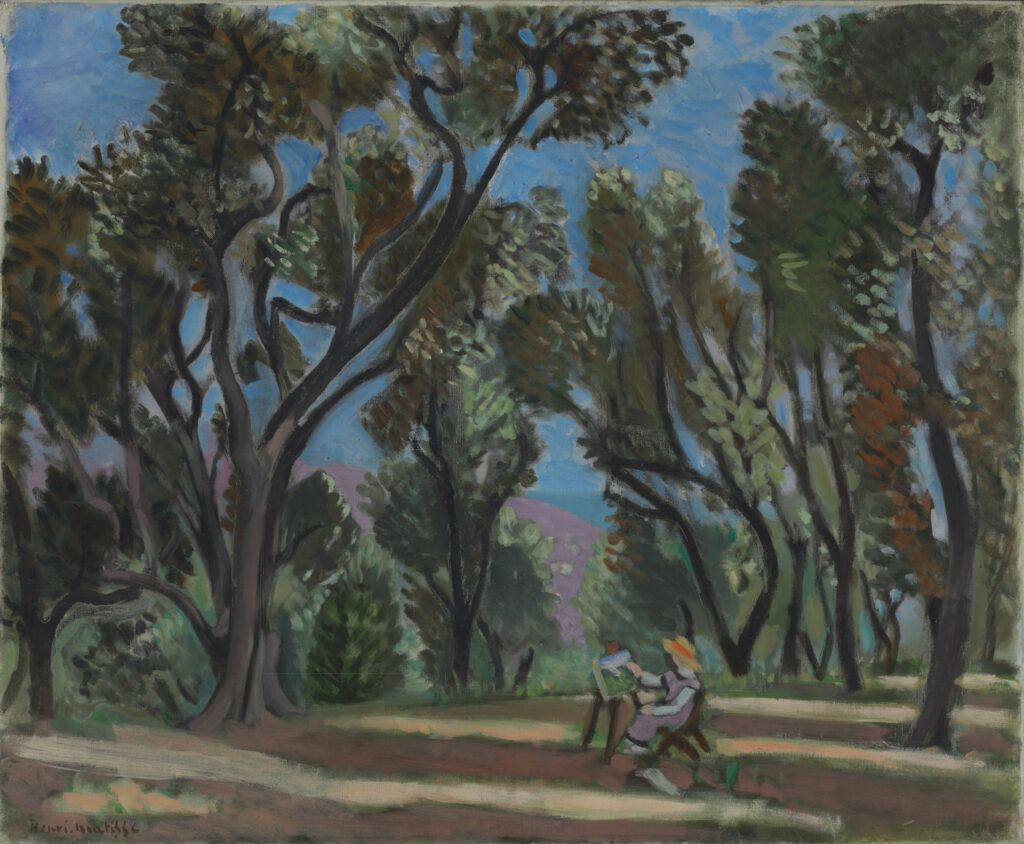
Henri Matisse
1921
On View
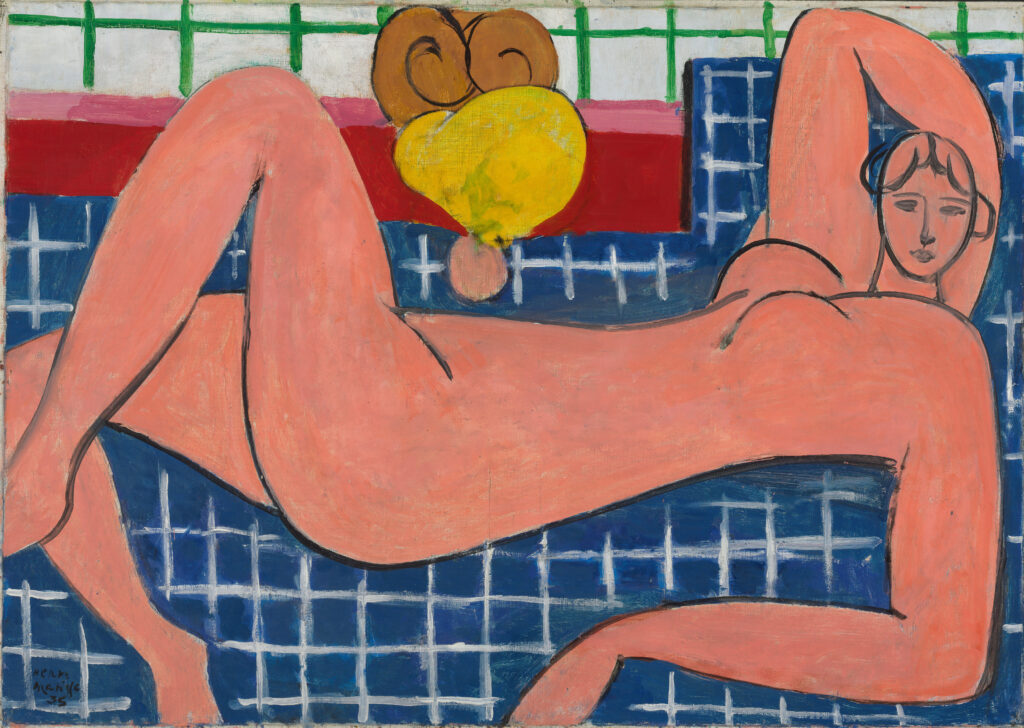
Henri Matisse
1934
On View
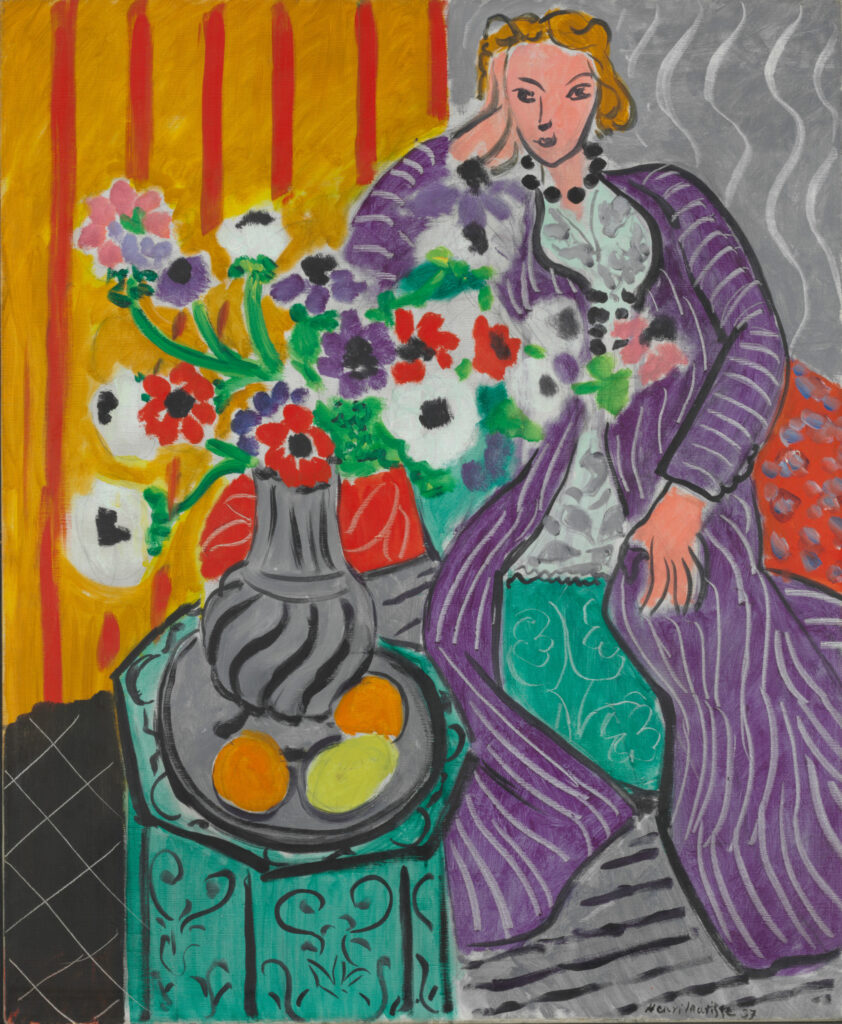
Henri Matisse
1936
On View: Cone Wing, Gallery 4
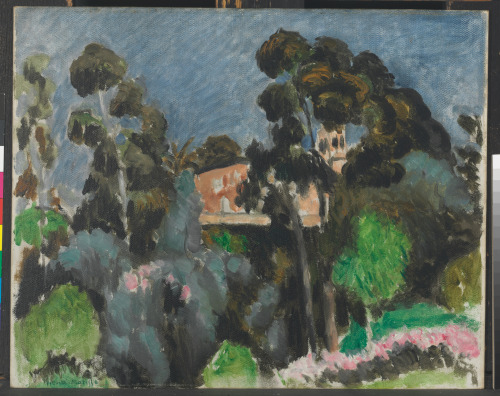
Henri Matisse
1917
On View: Cone Wing, Gallery 3
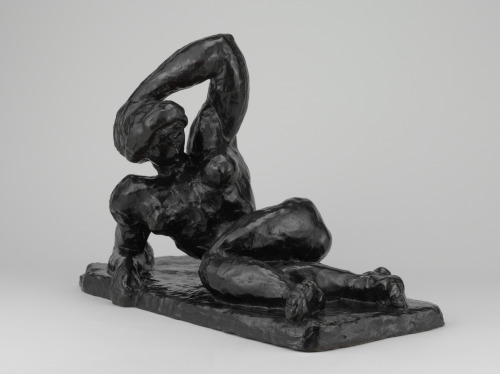
Henri Matisse
1906
On View: Cone Wing, Gallery 1
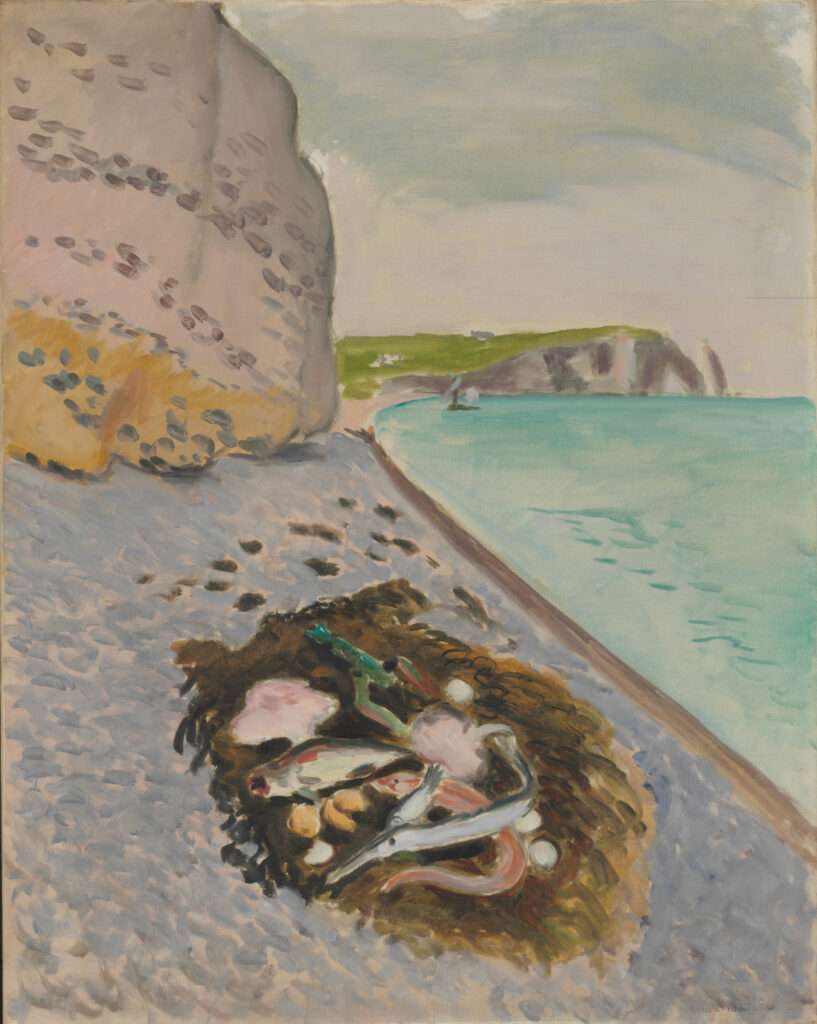
Henri Matisse
1919
On View: Cone Wing, Gallery 1
Henri Matisse
1907
On View: Cone Wing, Gallery 1
Henri Matisse
1928
On View: Cone Wing, Gallery 4
Henri Matisse
1900
On View
Henri Matisse
1894
On View: Cone Wing, Gallery 3
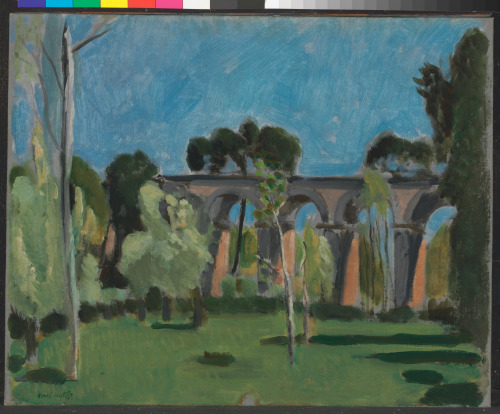
Henri Matisse
1917
On View
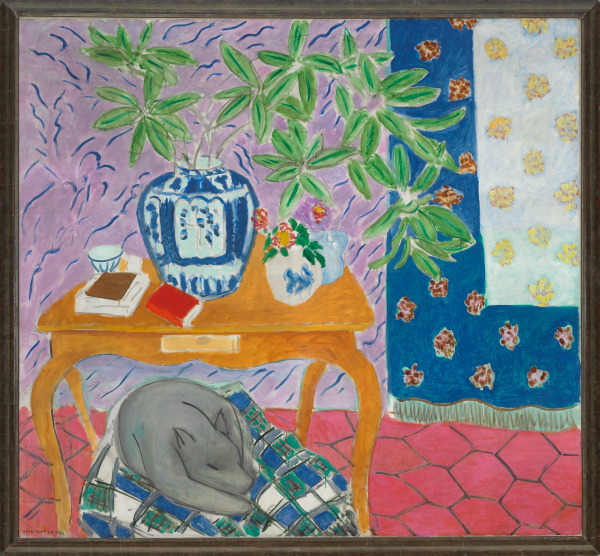
Henri Matisse
1933
On View: Cone Wing, Gallery 1
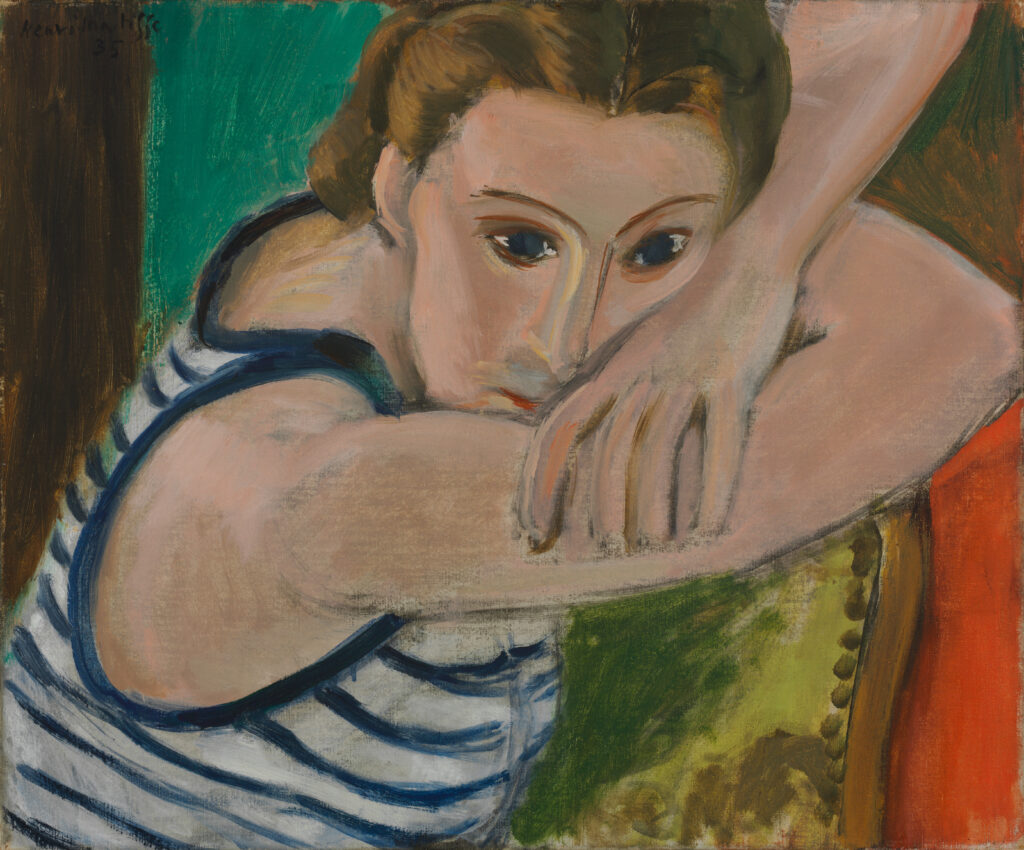
Henri Matisse
1934
On View
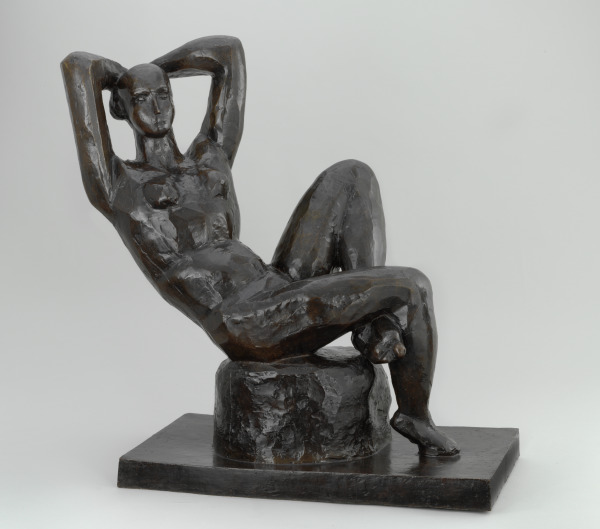
Henri Matisse
1921
On View: Cone Wing, Gallery 1
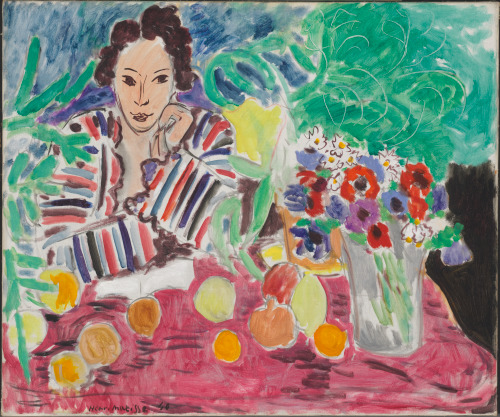
Henri Matisse
1939
On View: Cone Wing, Gallery 4
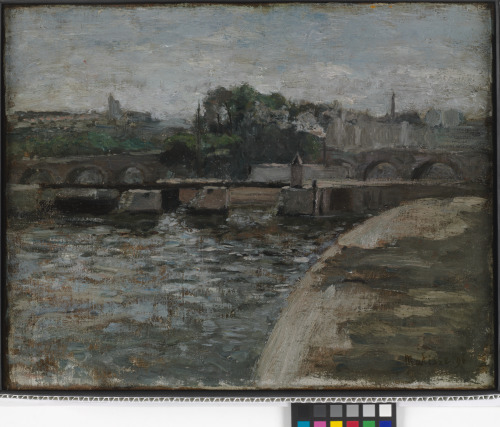
Henri Matisse
1895
On View
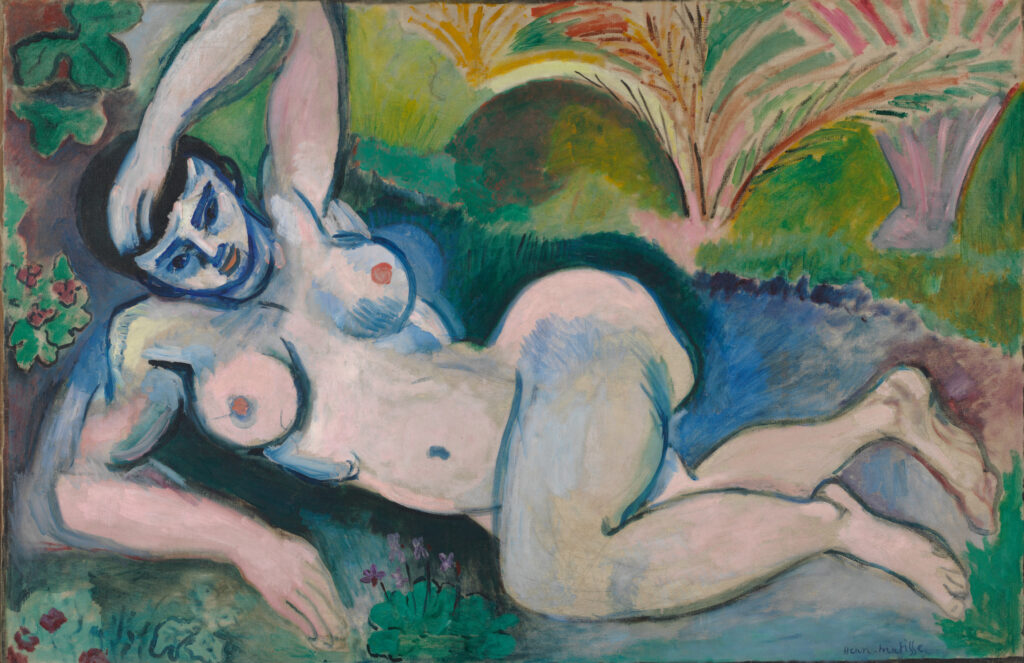
Henri Matisse
1906
On View: Cone Wing, Gallery 1
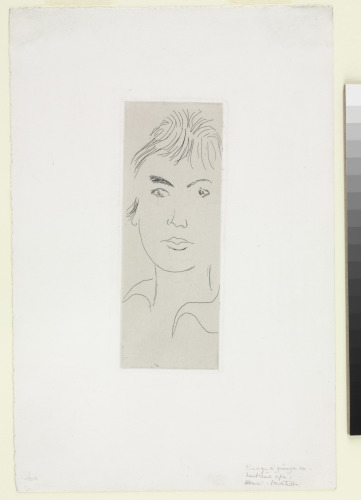
Henri Matisse
1913

Henri Matisse
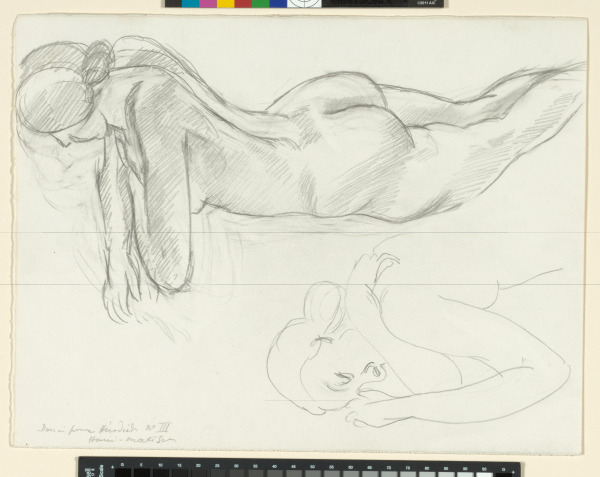
Henri Matisse
1930
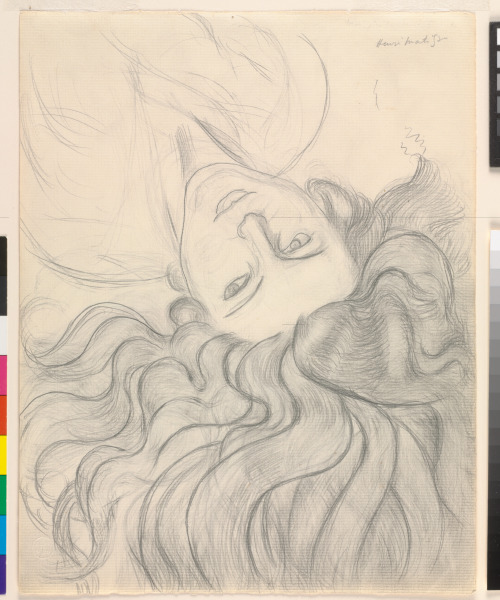
Henri Matisse
1930
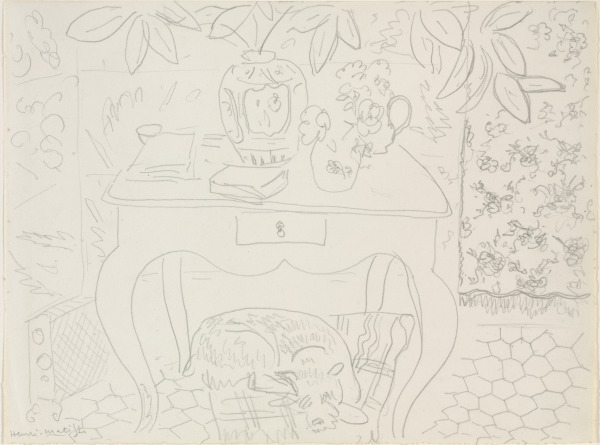
Henri Matisse
1928
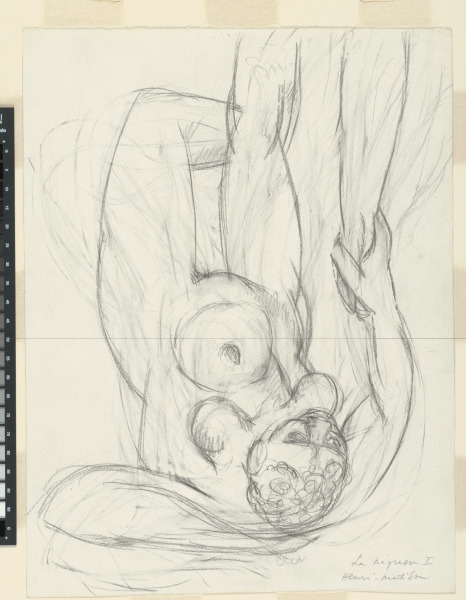
Henri Matisse
1930
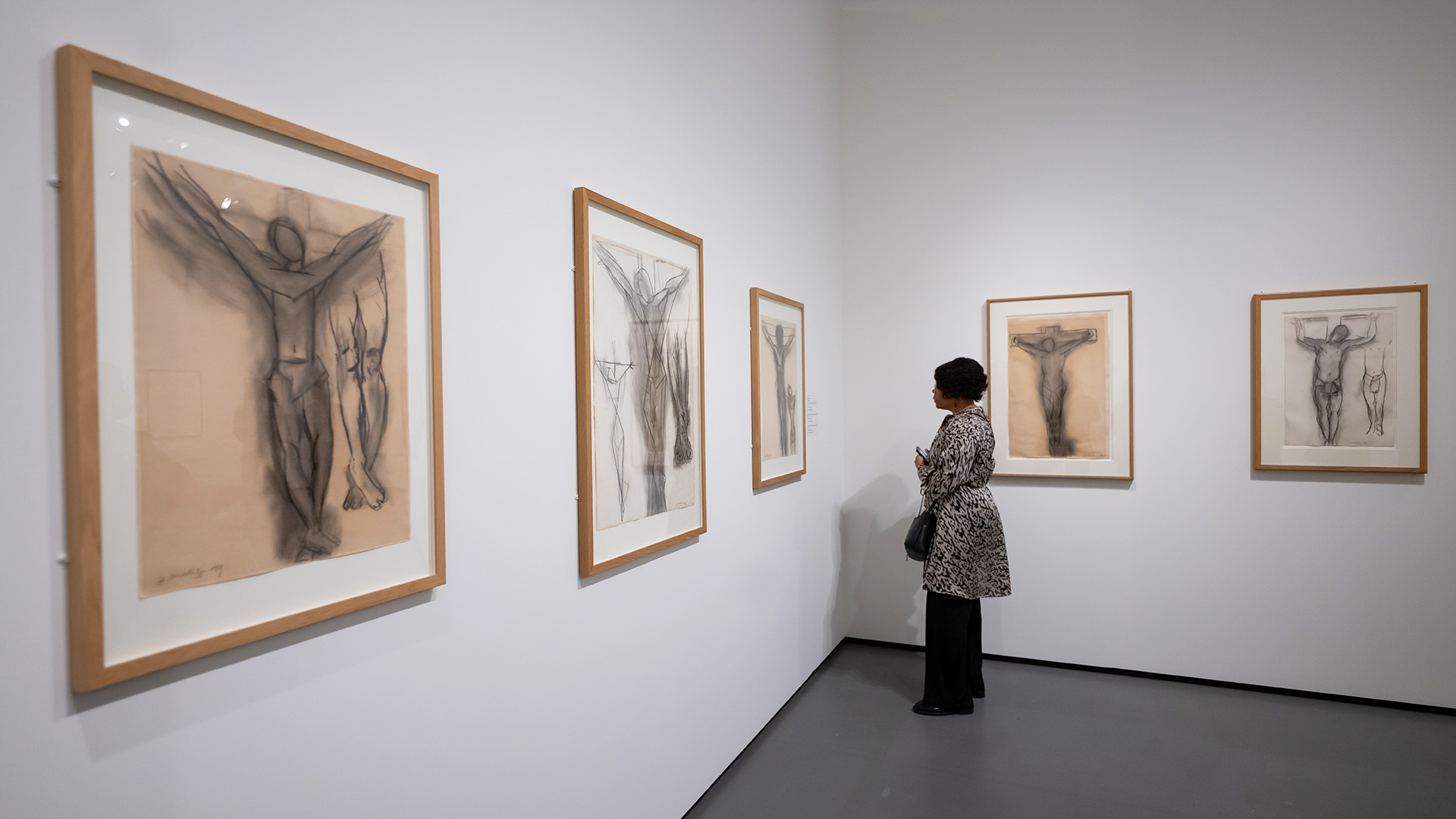
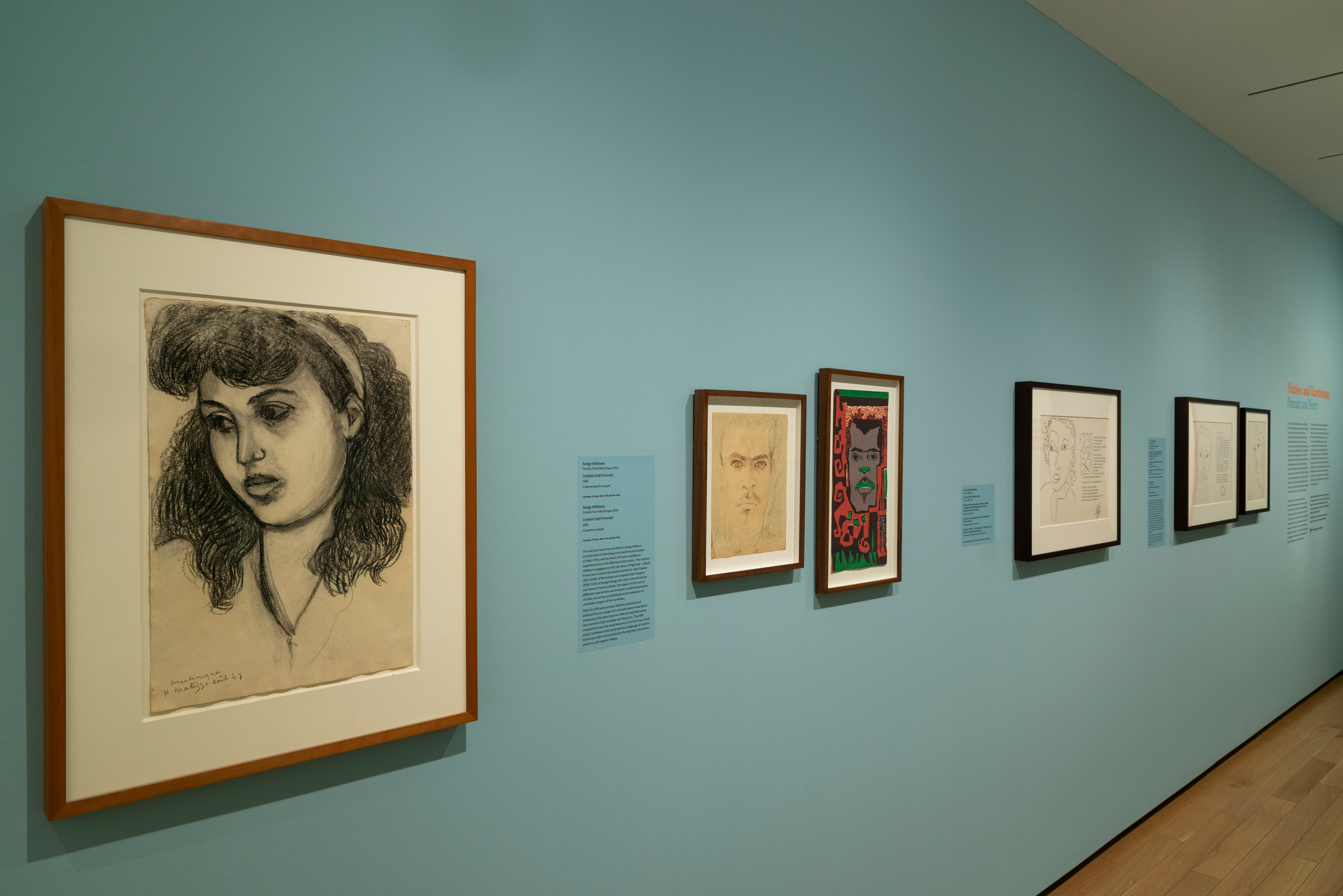
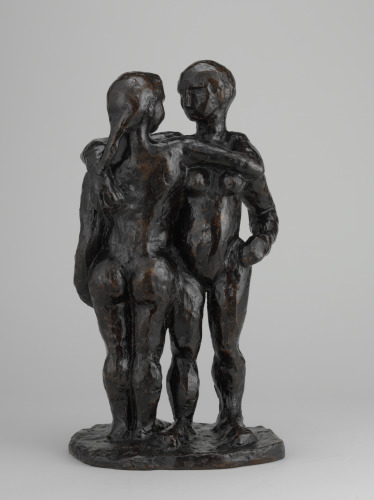
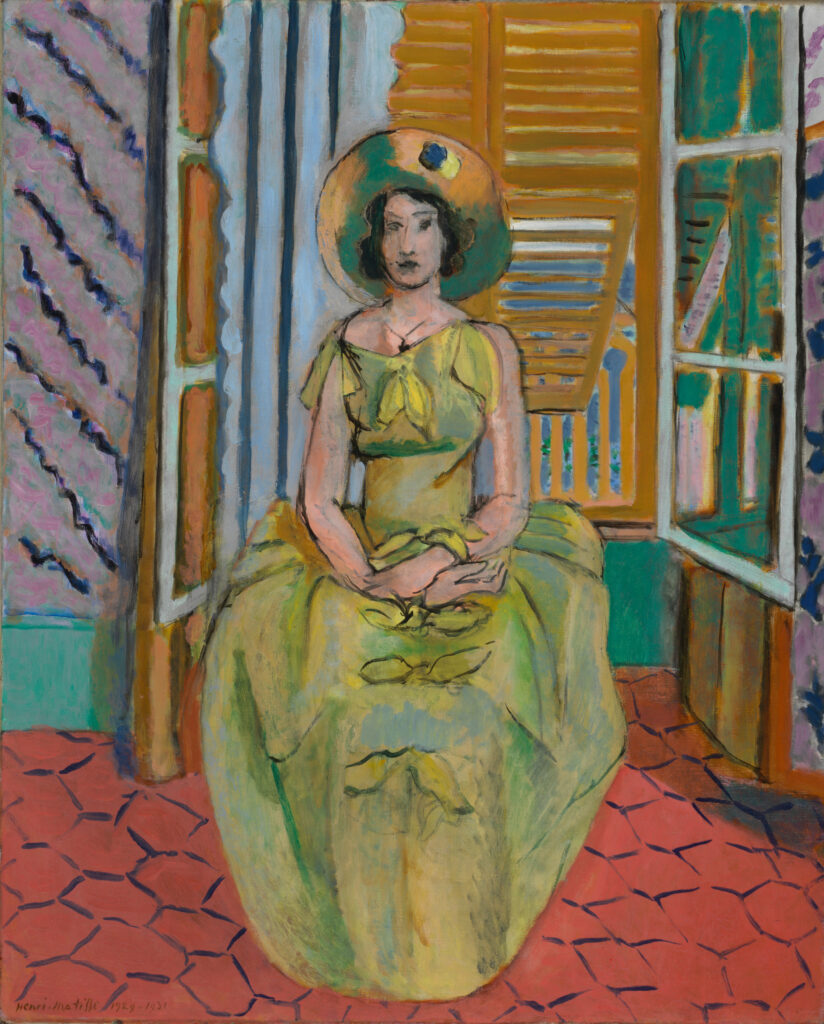
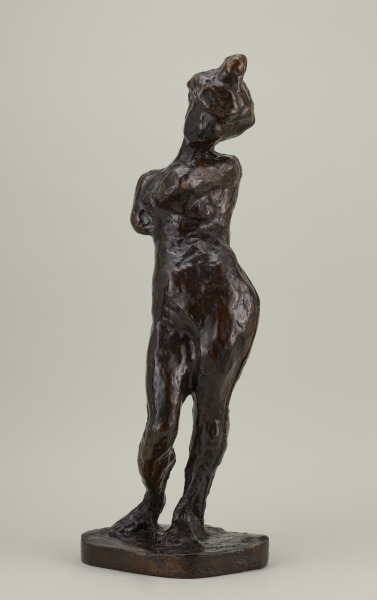
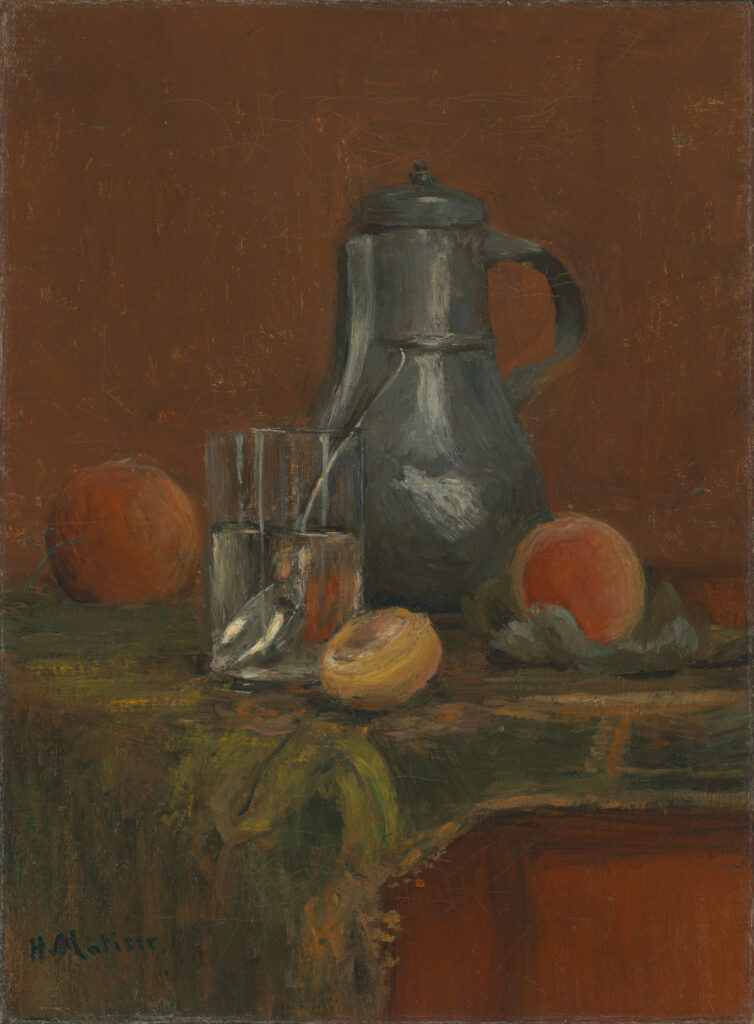
Henri Matisse (1869–1954) is widely recognized as one of the most influential artists of the 20th century. Renowned for his bold use of color and expressive line, Matisse helped shape the direction of modern art through his innovative techniques and diverse body of work. He worked easily across media, producing paintings, sculpture, drawings, prints, and illustrated books. Throughout his long career, Matisse produced landscapes, still lifes, and interiors, but is best known for his depictions of women in interior settings. The BMA is home to the most extensive public collection of Matisse works in the world—more than 1,400 works of art.
Born in Le Cateau-Cambrésis, a small town in northern France, Matisse initially pursued a career in law. His life changed at about the age 20 when, while recovering from appendicitis, he received a paint box—a gift from his mother—that ignited his passion for art and set him on a new path.
In the early 1900s, Matisse emerged as a leader of Fauvism, a movement characterized by a departure from realistic depictions of figures, defining subjects and space with bold colors and lines. The Fauves (“wild beasts”) challenged traditional artistic norms, and Matisse’s work from this period often shocked critics. His commitment to exploring color, form, pattern, and decoration remained central throughout his career.
During World War I, Matisse created some of his most experimental works, blurring the line between representation and abstraction. In 1917, he visited Nice, where the Mediterranean light and atmosphere deeply inspired him. He spent much of his later life in southern France, working in both Nice and Vence.
In the 1940s, declining health led Matisse to abandon oil painting and develop a new technique: paper cut-outs. Often referred to as “drawing with scissors,” these vibrant compositions distilled his lifelong fascination with color, line, and shape. Today, these late works are considered some of his most iconic and innovative.
Matisse’s connection to Baltimore began in 1906, when he met Etta Cone and her sister Claribel Cone, two passionate collectors of modern art who would become his most loyal patrons.
Matisse referred to Etta and Claribel as “my two Baltimore ladies.” They visited his studio, supported his career financially, and acquired over 600 of his works, including paintings, drawings, sculptures, and prints, including
After Claribel died in 1929, Matisse visited Baltimore in 1930 to pay his condolences. For the first time, he saw the collection that the two sisters had created, with works by his colleagues, his artistic heroes, and himself.
Recognizing the opportunity to leave a lasting legacy, Matisse worked closely with Etta to strengthen her holdings. Upon her death in 1949, she bequeathed more than 600 works by Matisse to the BMA. To this incredible group of objects, the BMA has added more than 800 works by the artist over the years, many of them from the artist’s family. Today, the BMA cares for over 1,400 works by Henri Matisse—the largest public collection of his art in the world.