Performance
This Is Ballroom
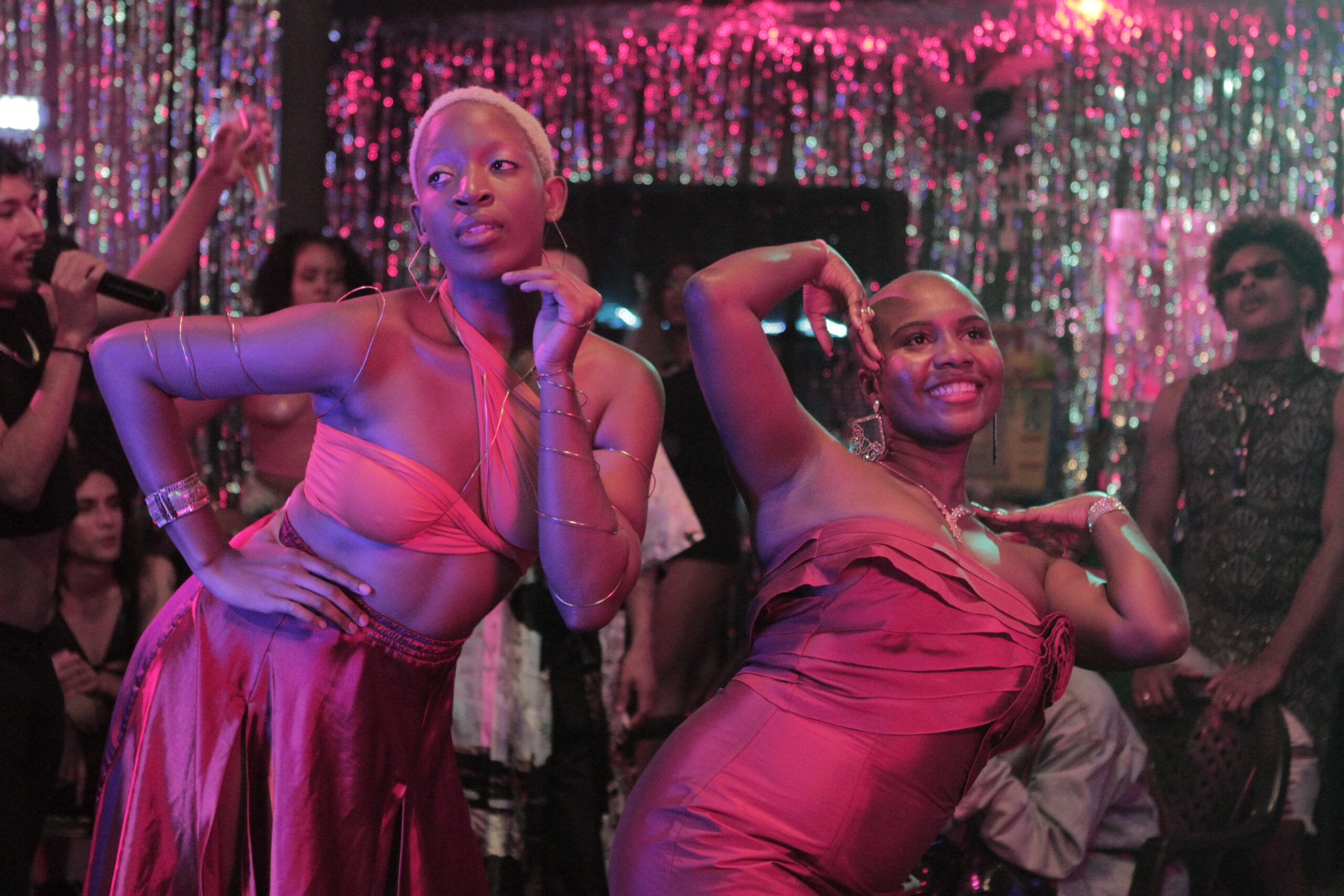
Immerse yourself in an underground ballroom performance and screening of the acclaimed film This Is Ballroom (2024).
The film is an upbeat tribute to the Brazilian ballroom scene, where LGBTQ+ people of color create the space they are not allowed in a repressive society. Hear directly from the filmmakers and participants in a post screening Q&A. Begin and end the evening with transformative ballroom performances by ballroom artists from Brazil and Baltimore, including Vitã, Ciara Marc Jacobs, Victoria Aisha, Marquis Clanton (Marquis Revlon), and others.
This program is inspired by the Robert E. Meyerhoff and Rheda Becker Biennial Commission, Raul De Nieves: and imagine you are here, and presented in partnership with Johns Hopkins University Center for Advanced Media Studies and Winston Tabb Special Collections Research Center.
This event will include ASL interpretation and live captioning by Communication Access Realtime Translation (CART) services.
About This Is Ballroom
Juru & Vitã / Brazil / 2024 / World Premiere / 94 min
An upbeat tribute to the Brazilian ballroom scene, where LGBTQ+ people of color create the creative space they are not allowed in a repressive society. In New York in the 1960s, there was a feud in the drag community as only white drag queens were winning beauty pageants. In the following years, drag queens of color created their own competitions, and this was the birth of ballroom: a competition where performers compete in different categories such as face, runway, and old way in front of three judges, trying to outdo their opponent with style and confidence. It all takes place in an infernal chaos of music, rhymes, shouts, and comments from an audience that drives the atmosphere to the roof. Ballroom is a fashion show, a beauty pageant, a dance performance, and a war. But most of all, it is a sanctuary where primarily queer and people of color can get a break from a society that doesn’t have many spaces for them. But this is also a no bullshit culture. If you don’t have your moves together, you’ll get chopped by the judges and you’re out. Meet the key performers of Rio de Janeiro’s thriving ballroom scene in an upbeat, sweaty, and delightfully unruly film from a parallel universe of moves and resistance.
Tickets
Free. Online registration is now SOLD OUT.
Limited walk-up seating may be available on a first-come, first-served basis.
Program Schedule
5 p.m. – Doors open
5:30 p.m. – Program begins
5:30–5:45 p.m. – Opening performance
5:45–7:15 p.m. – Film screening: This Is Ballroom
7:15–7:45 p.m. – Q&A with filmmaker Vitã
7:45–8 p.m. – Closing performance
8 p.m. – Program ends
Please see Accessibility at BMA for additional resources to support your visit.
Participants
Vitã
Vitã is a non-binary creator interested in crafting dissident storytelling with a pop appeal, rooted in community engagement. Her recent releases as director were the feature doc This Is Ballroom (WP on CPH:DOX) and the narrative musical series Trago a Pessoa Amada (Prime Box Brazil channel), both in 2024. Vitã has been working in the film and TV industry for 16 years, and has a Master’s degree in Film Studies from Universidade Federal Fluminense. Vitã works as screenwriting teacher, film critic and directs the creative company Ritornelo.
In the Ballroom scene, Vitã fosters community as a volunteer still photographer on independent events. Some of her pictures have been curated for the exhibition Cosmologias Ballroom (Solar dos Abaxis gallery). Vitã is Empress of the Legendary House of Lauren, an international family with chapters in the US, UK, Moçambique and Brazil.
Ciara Marc Jacobs
Ciara Marc Jacobs is 28 years old and comes from the city of Rio de Janeiro. Ciara is a nursing student and also an artist and trans woman. She works as a promoter of citizenship and diversity, helping LGBT people to break access barriers.
Ciara began her studies in Ballroom culture in 2015 in the municipality of Volta Redonda. In 2019, she was invited to be part of the House of Labeija, the first house of the ballroom scene in the world. After leaving House of Labeija, she joins the House of West, from New York. In 2022, she received her title of Legend in the scene: Legendary Mother Laffond, mother of a house of black people in Rio de Janeiro and today is part of the Marc Jacobs major house.
Victoria Aisha
Victoria Aisha (27), born and raised in Santa Bárbara d’Oeste, São Paulo, is an Activity Specialist at Seven Hills Foundation & Affiliates, creating inclusive and playful experiences for people with intellectual or developmental disabilities. She is the International Ambassador Mother of the Legendary House of Lauren and a member of the Monarchy Mansion of Saint Morta. Pioneer in the studies of Capoeira Vogue and Star in the Ballroom Kiki scene. A multidisciplinary body and performance artist with training in theater, dance, and performance, Victoria has exhibited in multiple art shows across Brazil and became the first trans woman to receive both the Cultural Distinction Award in Urban Arts and Culture and the Zumbi dos Palmares Medal from her city’s council, also shining on runways as model and designer.
Marquis Clanton (Marquis Revlon)
Marquis Clanton, known throughout the ballroom community as Marquis Revlon, is a visionary performer, choreographer, and cultural curator whose artistry bridges dance, fashion, and Black queer expression. A proud representative of the Iconic House of Revlon, Marquis has earned recognition for his commanding presence, technical precision, and deep commitment to preserving the legacy of ballroom culture while inspiring a new generation of performers.
Rooted in the traditions of voguing and the broader ballroom movement, Marquis brings storytelling, discipline, and authenticity to every space he enters—whether on stage, in classrooms, or in community-centered events. His work celebrates resilience, self-expression, and the unapologetic power of queer identity. Beyond performance, Marquis is an advocate for visibility, inclusion, and wellness in LGBTQIA+ spaces, using his platform to uplift others and build bridges between the ballroom scene and mainstream art communities.
With an undeniable passion for culture and creativity, Marquis continues to shape the future of performance and community leadership—proving that ballroom is more than dance; it’s a movement of love, legacy, and liberation.
Partners
CAMS
The Center for Advanced Media Studies (CAMS) facilitates the historical, cultural, and linguistic analysis of how ideas are communicated in the mass media through events, courses, lectures, workshops, screenings, and artist residencies. CAMS focuses on transnational cinema and visual media arts, offering a critical gaze to the newest areas of research in postcolonialist, feminist and queer film studies.
CAMS offers a graduate certificate for PhD students in all humanities disciplines, and hosts residencies and lectures with the most prominent film theorists and directors in the field.
Tabb Center
The Tabb Center advances experimental and participatory research methods, public humanities scholarship, and collaborative approaches to knowledge creation that engage the distinctive collections and archives of the Sheridan Libraries & University Museums.
The Center connects scholarly inquiry with public dialogue through interdisciplinary and community-engaged initiatives, bridging the intellectual and material resources of Johns Hopkins University with the broader Baltimore community. These efforts include opportunities for students to engage in experiential learning through academic courses, research fellowships, and extracurricular activities, blending classroom learning with community engagement.
We welcome partnerships and collaborations that align with our mission to bridge academic scholarship with community-engaged research. People from within and beyond academic spaces are encouraged to email us at tabbcenter@jhu.edu for initiatives and artistic projects that enrich the ways knowledge is produced in Baltimore.
The Details
Dates & Times
This event has ended.